

What to Know About the Seasonal Flu Vaccine
With the arrival of autumn, the seasonal flu (influenza) period approaches. The flu vaccine is one of the preventive measures a person can take to protect themselves and those around them. In this article we cover the basics of the seasonal flu vaccine.
Why is the flu vaccine given every year?
Flu viruses change slightly every year. For this reason, the vaccine is updated each year according to the virus types expected to circulate that season. As the protection provided by the vaccine can also decrease over time, repeating the flu vaccine every season is recommended.
When should it be given?
The flu vaccine is recommended before the winter months when flu cases begin to rise, usually between September and November. It takes about two weeks after vaccination for the body to build a protective response. A vaccine given in autumn therefore helps you enter winter prepared. A vaccine given later can also be beneficial on a physician's advice.
Who is it recommended for first?
People aged 65 and over
People with chronic conditions such as heart, lung or kidney disease or diabetes
Pregnant women, where the physician considers it appropriate
Healthcare workers and people living with those in risk groups
Beyond these groups, the flu vaccine can also be given to healthy adults and children following a physician's assessment.
What to expect after the vaccine
Mild redness, tenderness at the injection site or brief tiredness may occur; these usually pass on their own within a day or two. Because the flu vaccine does not contain live virus, the vaccine itself does not cause flu. It is important to tell the healthcare team about known allergies and medications before vaccination.
Protective habits alongside the vaccine
Regular hand washing, ventilating indoor spaces, enough sleep and balanced nutrition are habits that complement the vaccine during flu season. This article is for general information; please consult a physician about whether the vaccine is suitable for you and when to have it.
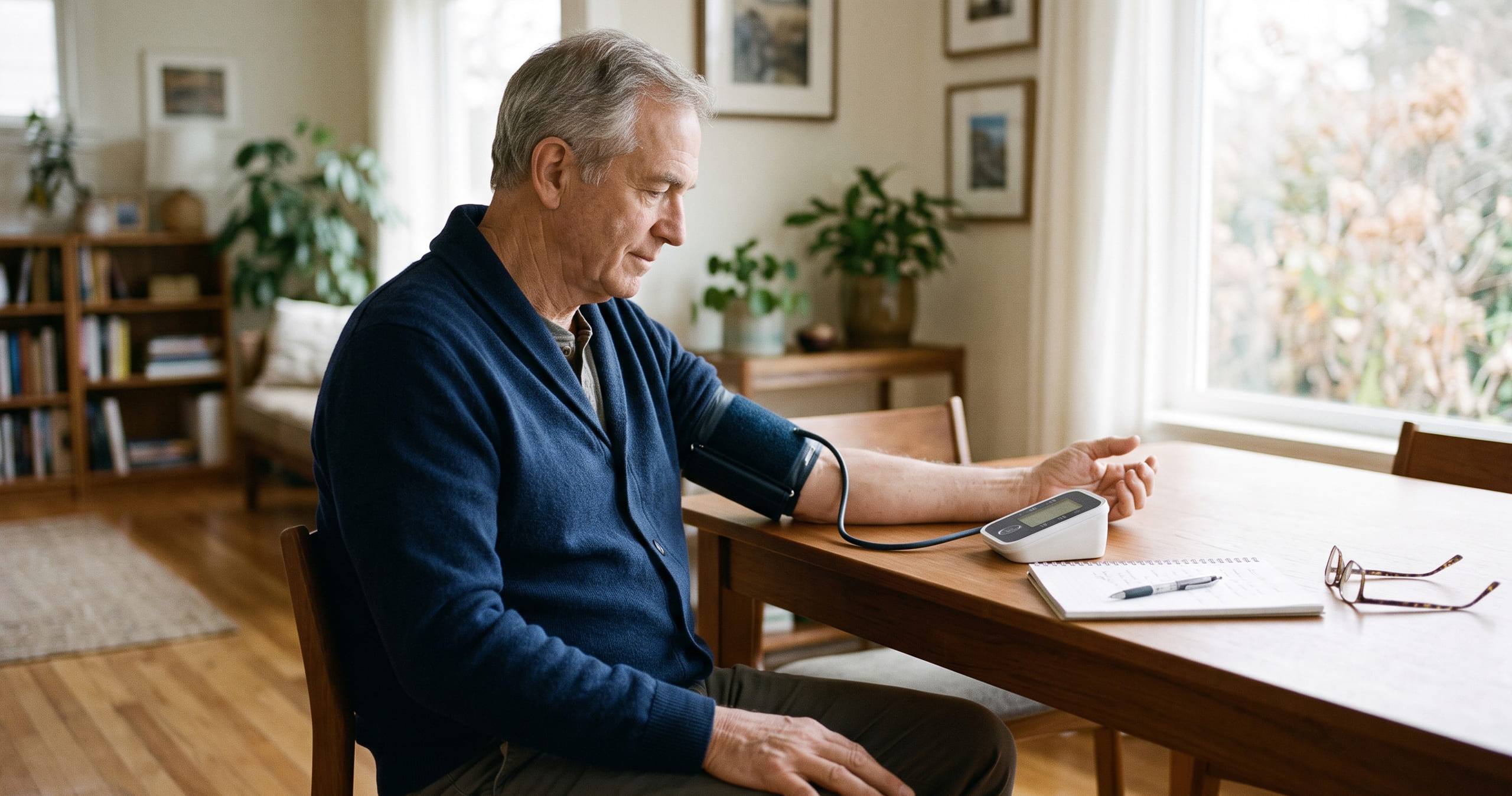
Key Steps for Measuring Blood Pressure Correctly at Home
Home blood pressure readings provide valuable information for your physician when taken under the right conditions. This article covers the...
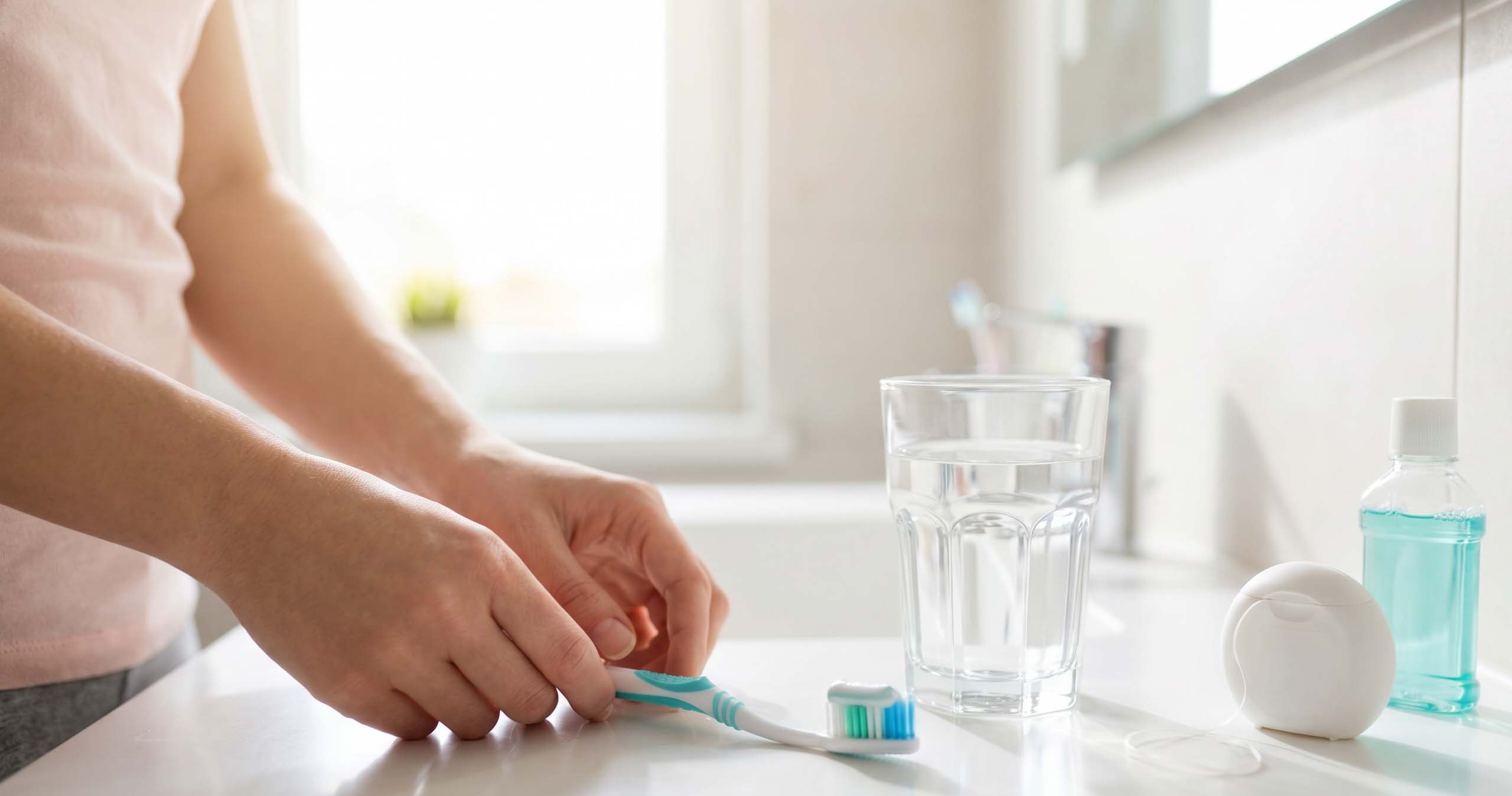
The Place of Dental Hygiene in Daily Life
Dental hygiene is a habit that takes only a few minutes a day but has a lasting effect over time. This article brings together general infor...
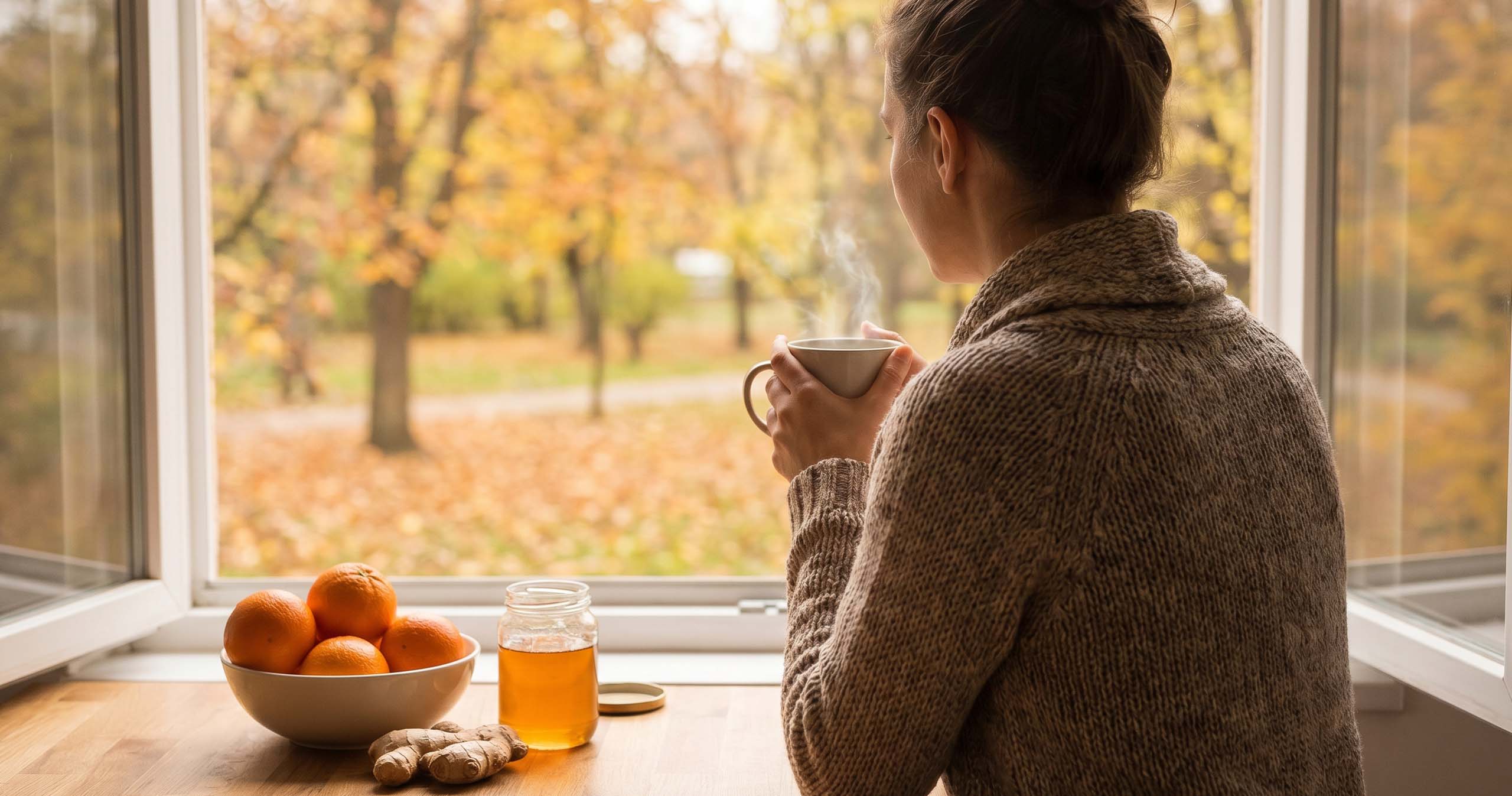
Habits That Support Immunity During Seasonal Transitions
Seasonal transitions are periods when daily routines can be open to small adjustments. This article brings together general information abou...