
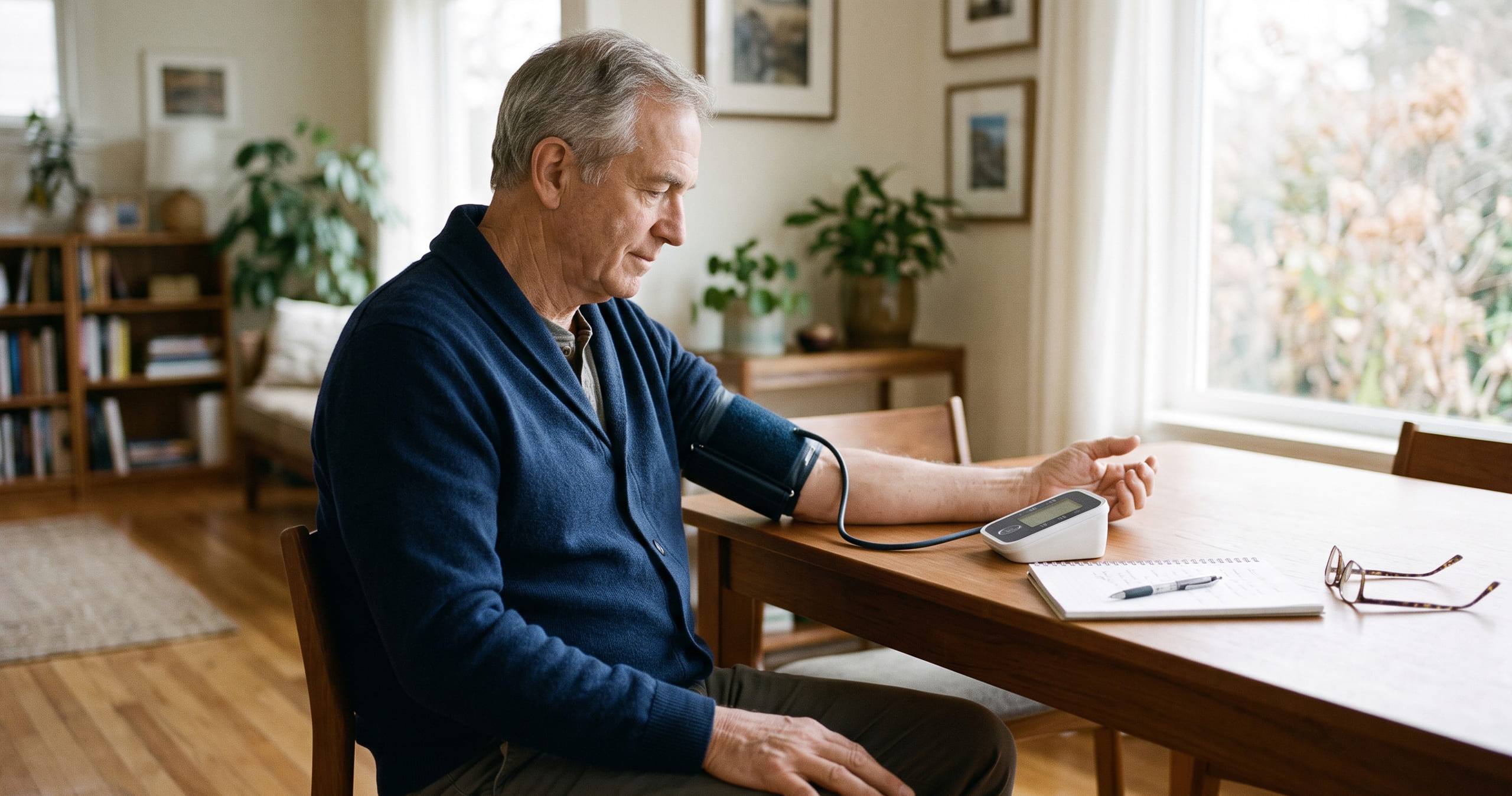
Key Steps for Measuring Blood Pressure Correctly at Home
Monitoring blood pressure is one of the most practical ways to keep track of heart and vascular health. Home readings complement the values taken during an examination and help the physician see the overall picture across the day. For a reading to be useful, however, it needs to be taken under the right conditions. In this article we cover the key steps for measuring blood pressure at home.
Choosing a suitable device
For home use, validated digital monitors that measure from the upper arm are generally preferred. A cuff that fits the circumference of the arm is important for accuracy; a cuff that is too tight or too loose can give misleading results. Taking the device with you to an appointment can be useful for checking its accuracy.
Preparing for a reading
Avoid coffee, smoking and exercise in the 30 minutes before a reading.
Emptying the bladder before measuring is recommended.
Resting for 5 minutes in a quiet place, on a chair with back support, allows the values to settle.
Not talking or using the phone during the reading improves the consistency of results.
The right position
Sit with your back against the chair, feet flat on the floor and legs uncrossed. The arm should rest comfortably on a table, with the cuff at heart level. The cuff should be placed on the bare arm, not over clothing, about two finger-widths above the inner elbow.
Measuring and recording
At each session, taking at least two readings one to two minutes apart and recording both is recommended. Readings can be taken at similar times each day, for example in the morning before medication and breakfast, and in the evening. Noting the date, time and values in a notebook or an app creates a regular record to share with your physician.
Individual needs and expert advice
Which values are your targets, how often to measure and how to interpret the results vary from person to person and are determined by your physician. It is important not to change your medication dose on your own based on your readings. This article is for general information; please consult a physician for an assessment.

What to Know About the Seasonal Flu Vaccine
Autumn is one of the most suitable times for the seasonal flu vaccine. This article brings together general information on when, for whom an...
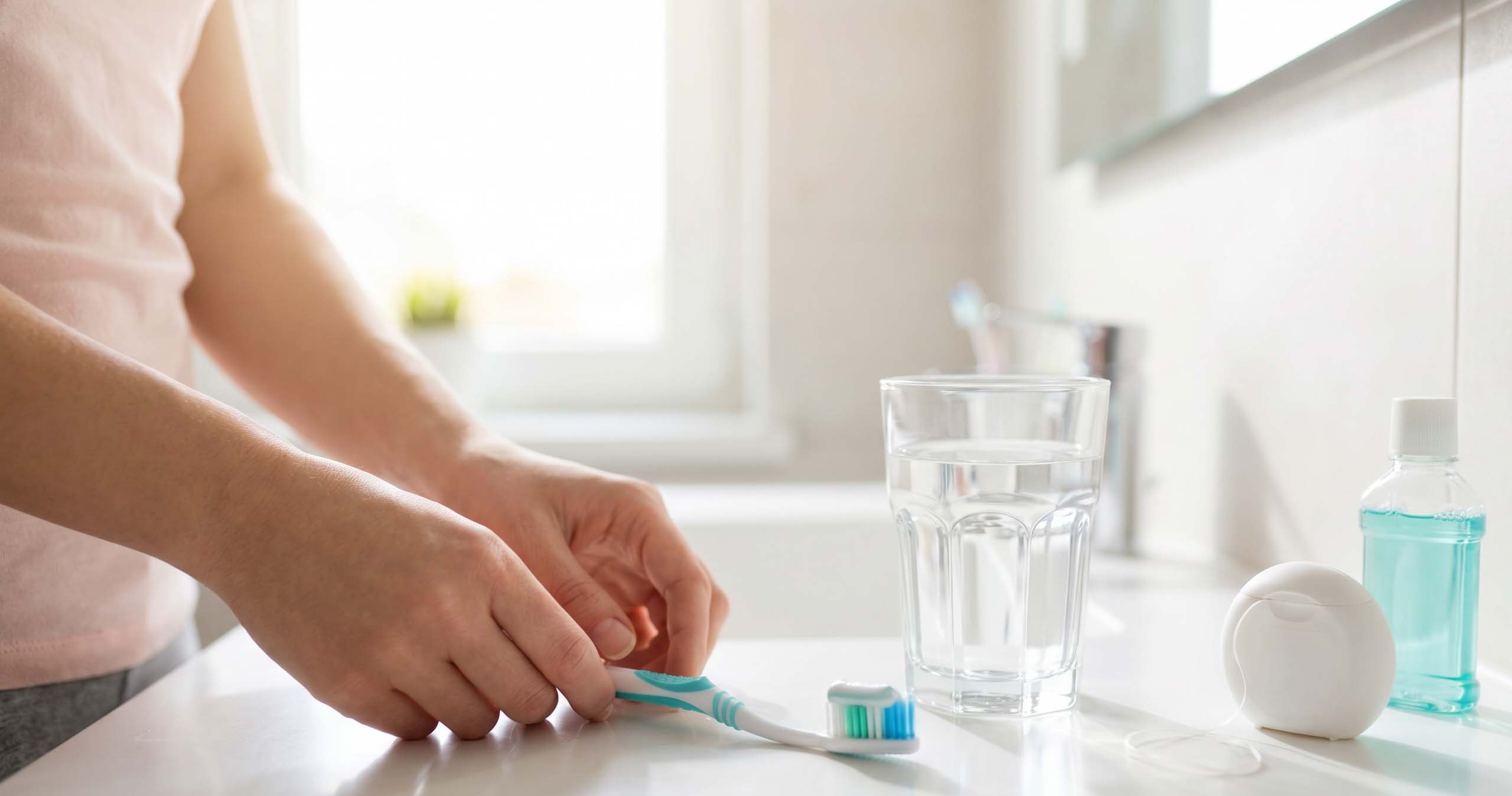
The Place of Dental Hygiene in Daily Life
Dental hygiene is a habit that takes only a few minutes a day but has a lasting effect over time. This article brings together general infor...
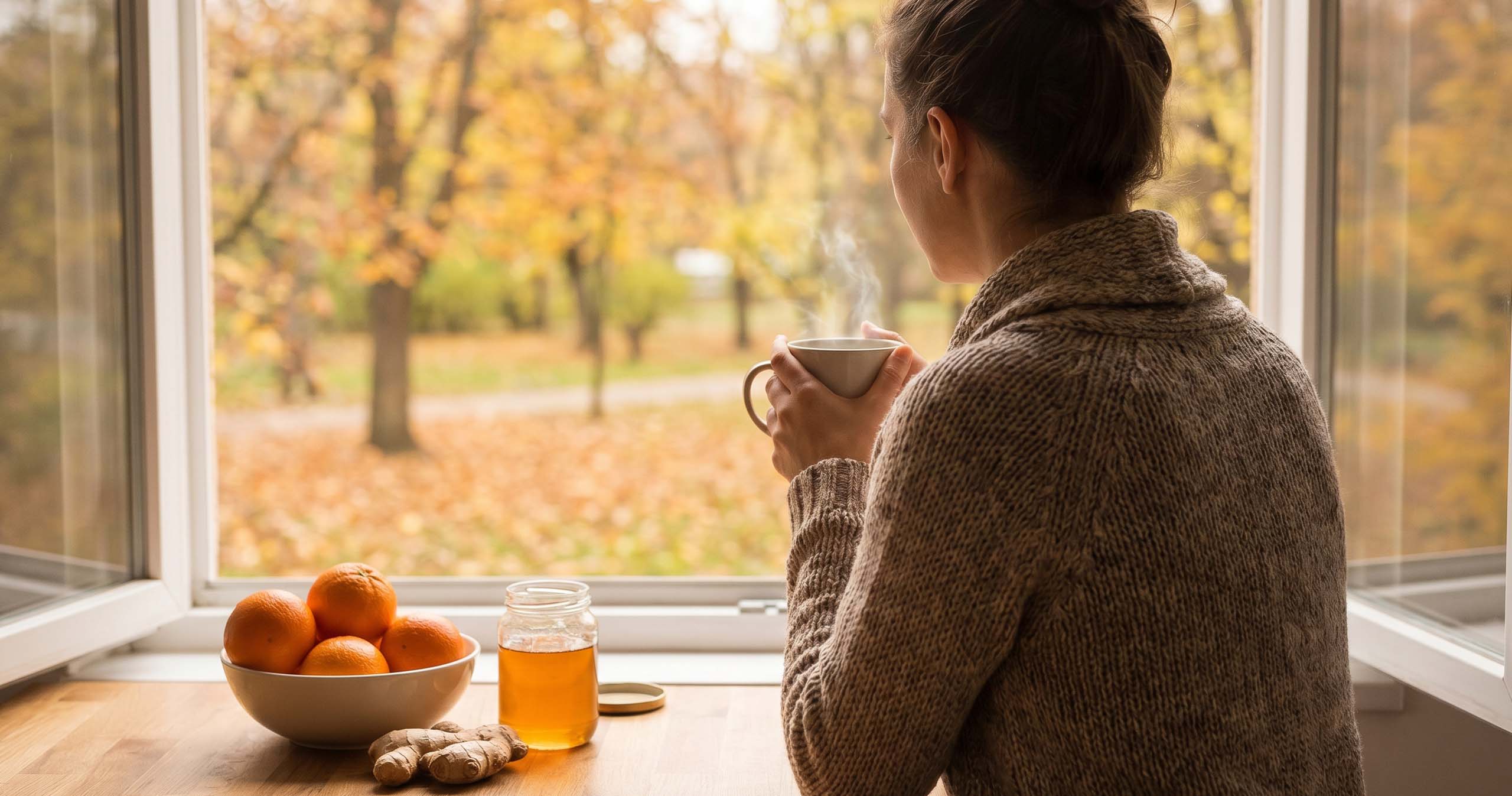
Habits That Support Immunity During Seasonal Transitions
Seasonal transitions are periods when daily routines can be open to small adjustments. This article brings together general information abou...