

The Role of Taking the Stairs in Daily Movement
Setting aside separate time for movement is not always easy. Stairs, however, are a movement opportunity we already meet at work, at home or in shopping centres, and they require no equipment. In this article we look at the role of stairs in daily movement and how to add them to your routine safely.
Small steps, regular movement
Climbing stairs is a natural movement that works the leg muscles, hips and balance together. Even a few flights add to the movement time that builds up over the day. Choosing the stairs instead of the lift from time to time is one of the simplest ways to fit movement into the flow of the day.
Ways to add stairs to your routine
To begin with, taking the stairs for one or two floors and the lift for the rest is a suitable step.
Using the stairs to reach a meeting or the kitchen on another floor at work builds the habit.
Short "stair breaks" during the day add movement between long periods of sitting.
Aiming for regularity rather than speed makes the habit easier to keep.
Points for safe use
Holding the handrail lightly supports balance. Placing the whole foot on each step and not rushing are important, especially on the way down. Shoes with good grip are a good choice. When carrying heavy loads, the lift may be the better option.
Progressing gradually
For those new to taking the stairs, starting with a few floors and increasing over several weeks is appropriate. A slightly faster breath is expected; staying at a pace where you can still talk keeps the intensity balanced. Combined with other activities such as walking, stairs bring natural variety to a weekly movement plan.
Individual needs and expert advice
For specific conditions affecting the knees, hips or the heart and circulation, how often and how long to use the stairs may vary from person to person. This article is for general information; please consult a physician for a personal movement plan.
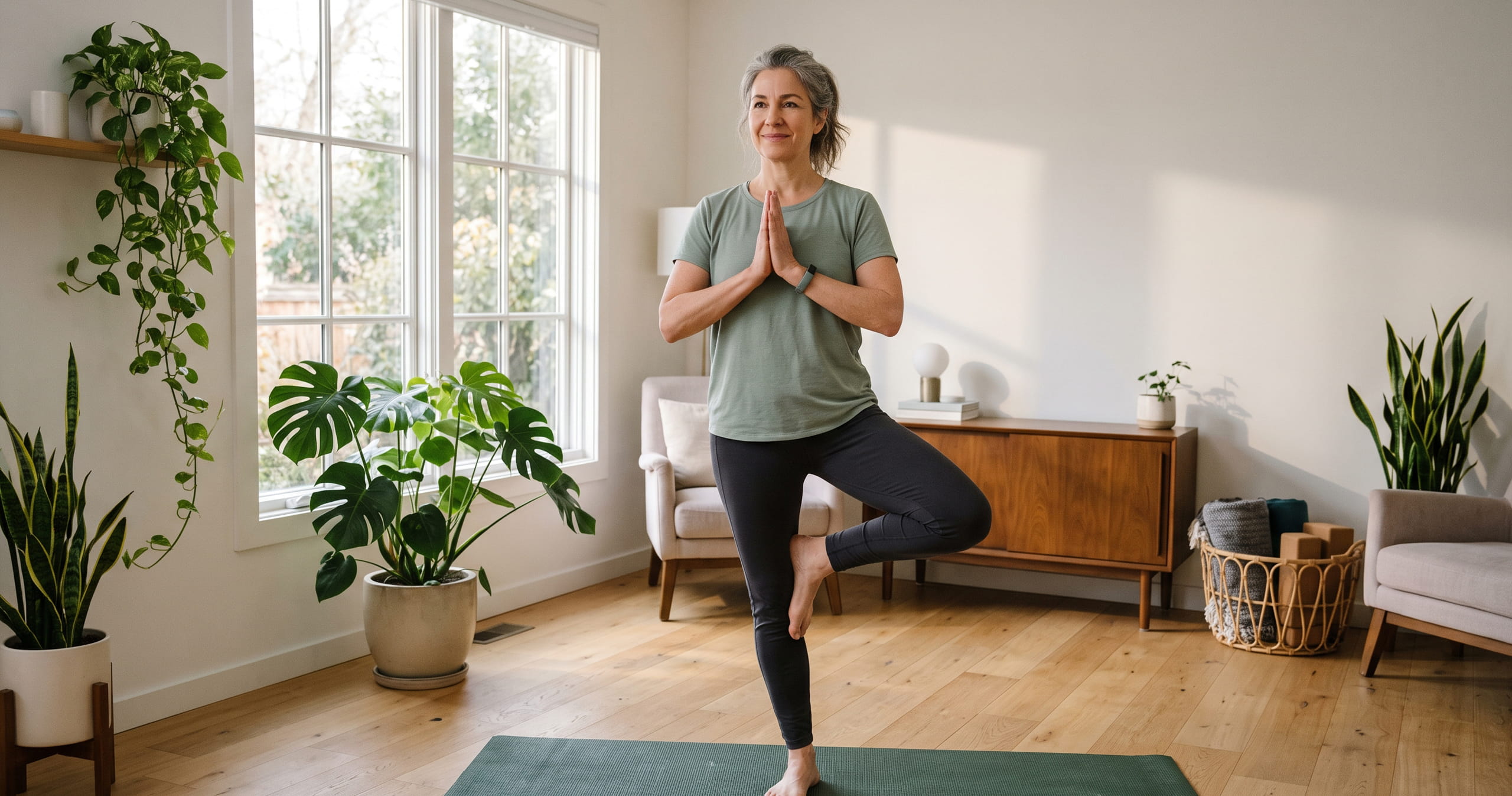
Simple Balance and Flexibility Exercises to Do at Home
Balance and flexibility are core skills that shape how easily we move each day. This article covers simple exercises you can do at home with...
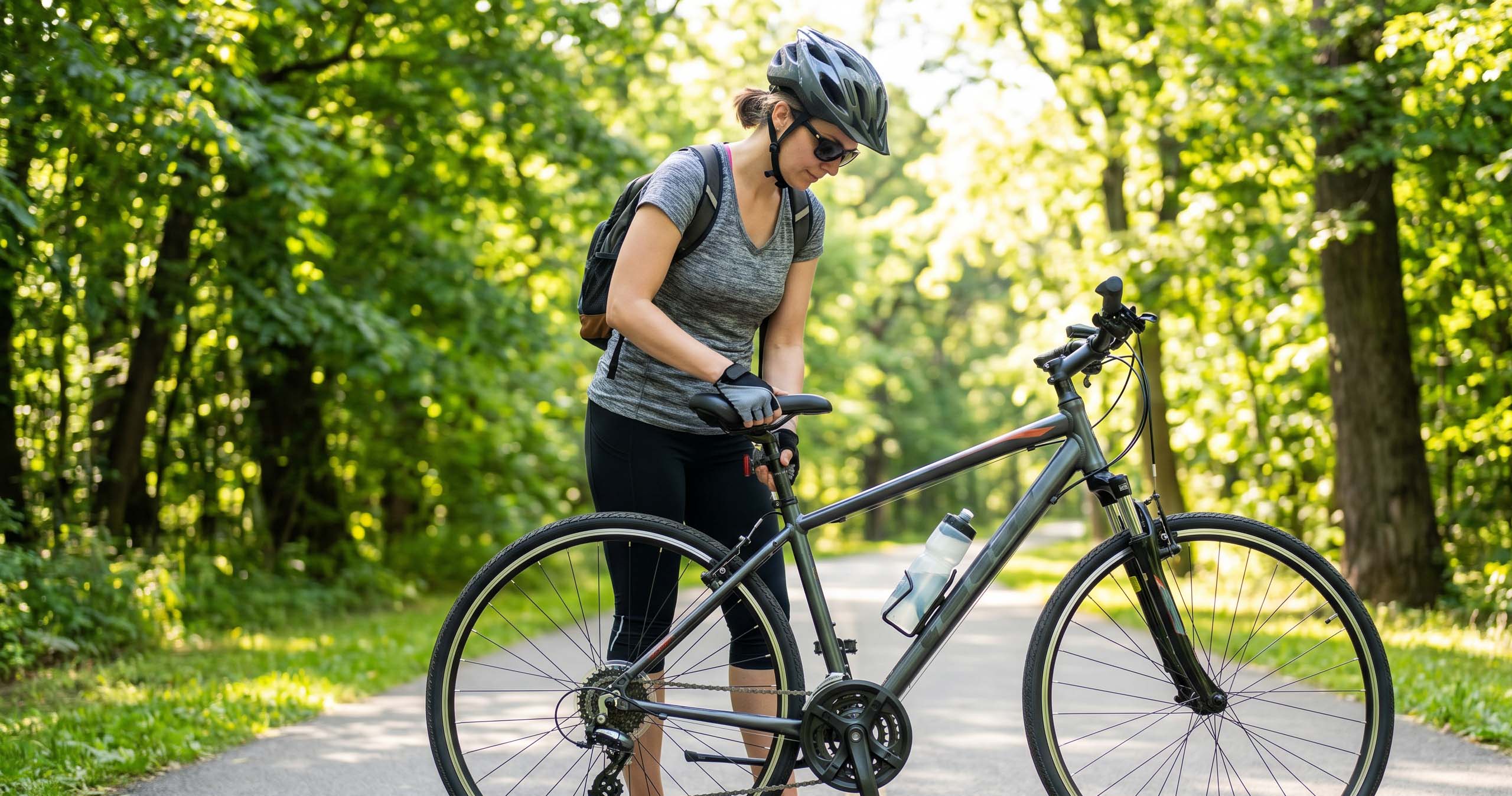
A Practical Guide to Starting Cycling
Cycling is one of the enjoyable ways to add movement to daily life. This article brings together general information and practical tips for...
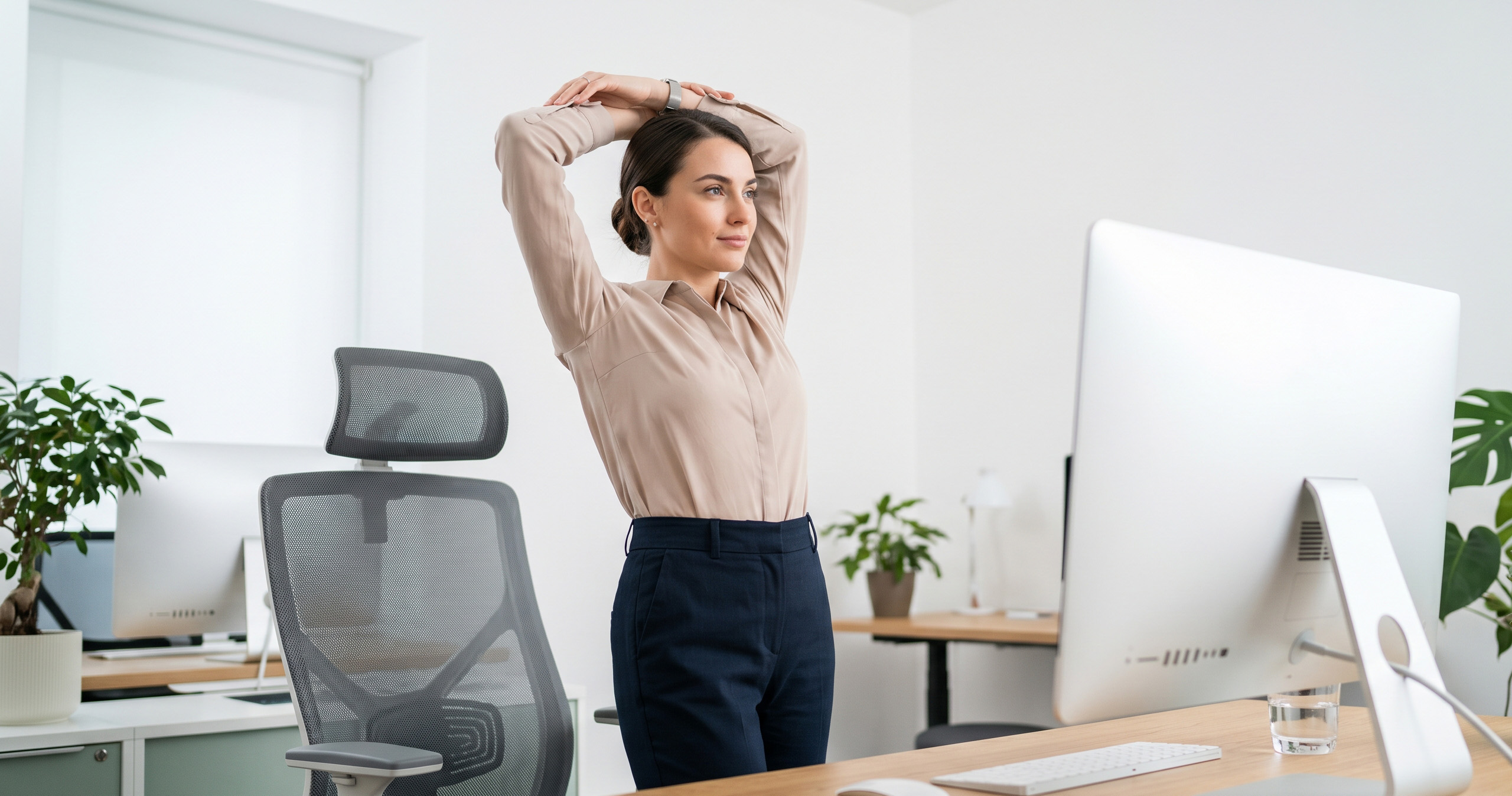
Short Stretch Breaks for Desk Workers
Long periods of sitting can become part of the structure of the day. This article brings together general information about short stretch br...