
Simple Balance and Flexibility Exercises to Do at Home
The balance and flexibility we use when going down stairs, picking something up from the floor or tying our shoes are core skills that shape how easily we move each day. These skills can also be supported at home with short, regular exercises. In this article we look at simple balance and flexibility exercises that need no equipment.
Before you start
A non-slip floor, a sturdy chair or counter to hold on to and comfortable clothes are all you need. Walking on the spot for a few minutes or slowly circling the arms prepares the body for movement. It is important to move without rushing and without holding your breath.
Balance exercises
Standing on one leg: Holding a chair lightly, lift one foot off the floor for 10–20 seconds, then switch sides.
Heel-to-toe walk: Walk a few steps in a straight line, placing the heel of one foot just in front of the toes of the other.
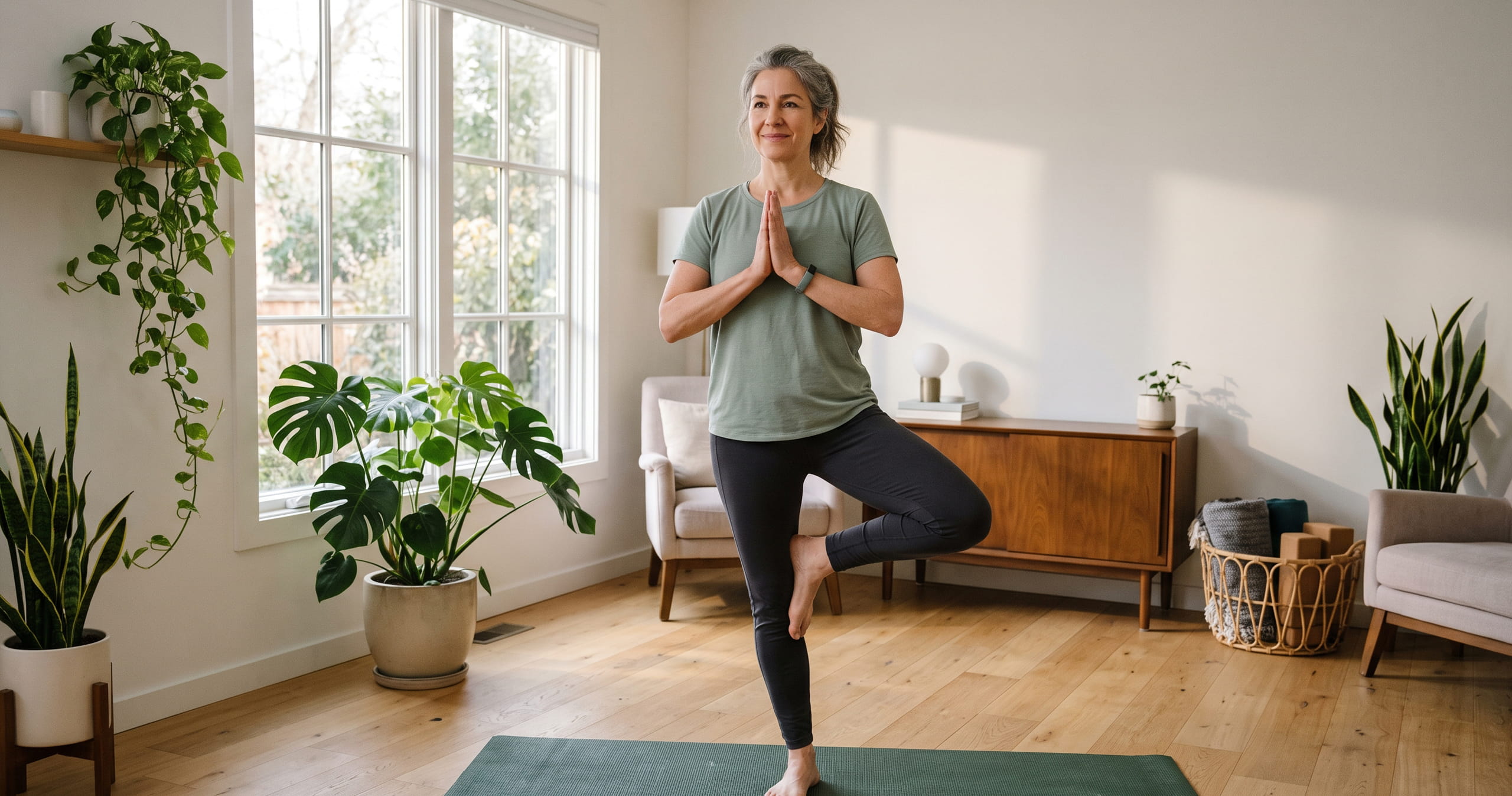
Tree pose: Place the sole of one foot on the calf or inner ankle of the other leg and bring the hands together in front of the chest.
Rising onto the toes: Holding the counter, slowly raise and lower the heels.
Flexibility exercises
Neck stretch: Slowly tilt the head towards one shoulder, then the other.
Shoulder opener: Clasp the hands behind the back and gently open the chest forward.
Hamstring stretch: Sitting on a chair, extend one leg and lean the upper body slightly forward.
Hip stretch: Standing, step one foot back and gently bend the front knee.
For stretches, holding each position for 15–30 seconds and going only as far as a mild stretch, not pain, is enough.
Building it into your routine
These exercises can be done in a short 10-minute session after getting up in the morning or in the evening in front of the television. Regular repetition a few days a week builds a more lasting habit than one-off long workouts. Over time, the challenge of the balance exercises can be increased gradually by using less support.
Individual needs and expert advice
If you have dizziness, a history of falls, joint problems or recent surgery, the choice of exercises may vary from person to person. This article is for general information; please consult a physician or physiotherapist for an exercise plan that suits you.
The Role of Taking the Stairs in Daily Movement
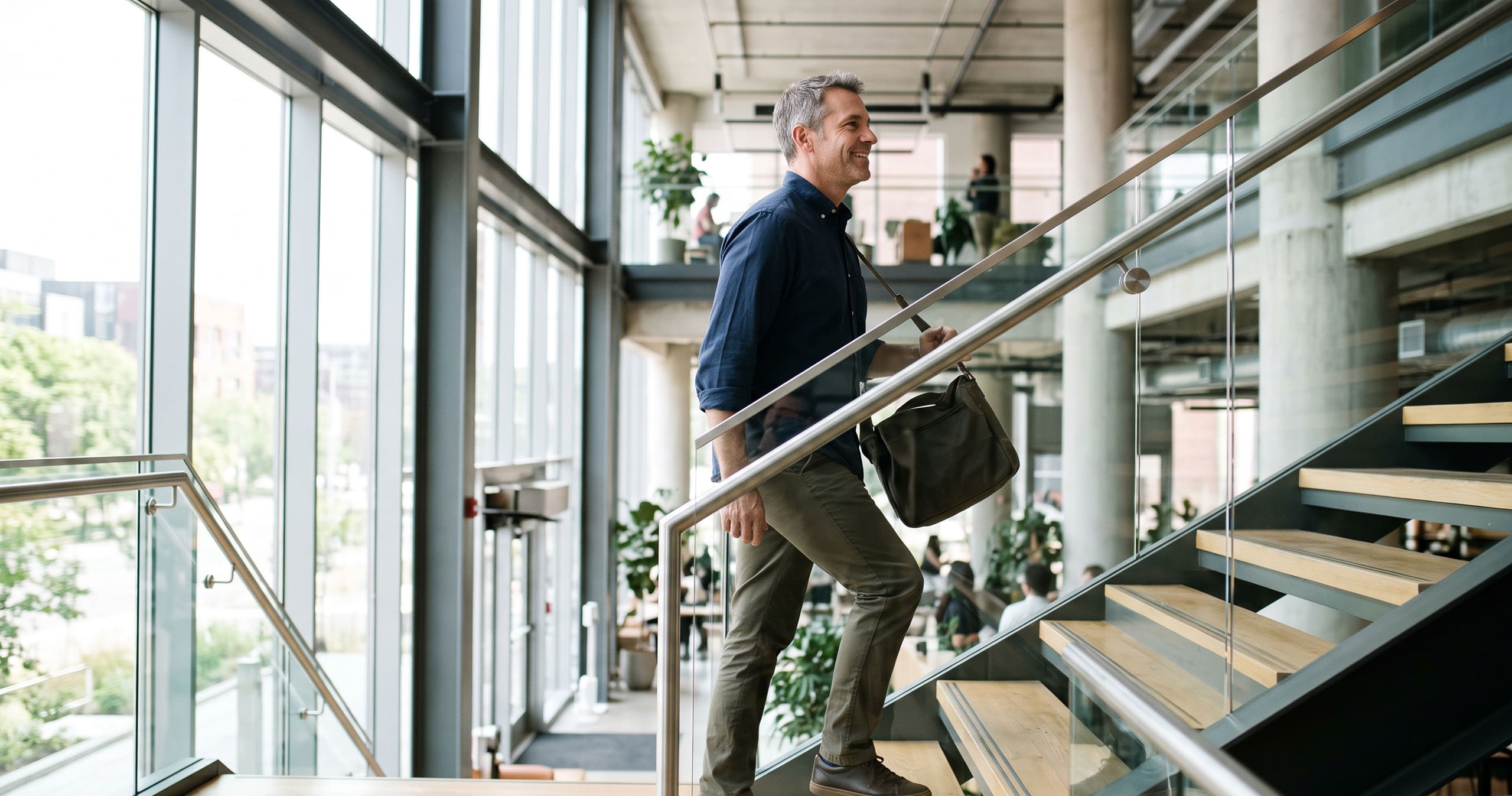
Stairs are one of the most practical ways to add movement to the day without setting aside extra time. This article covers ways to make taki...
A Practical Guide to Starting Cycling
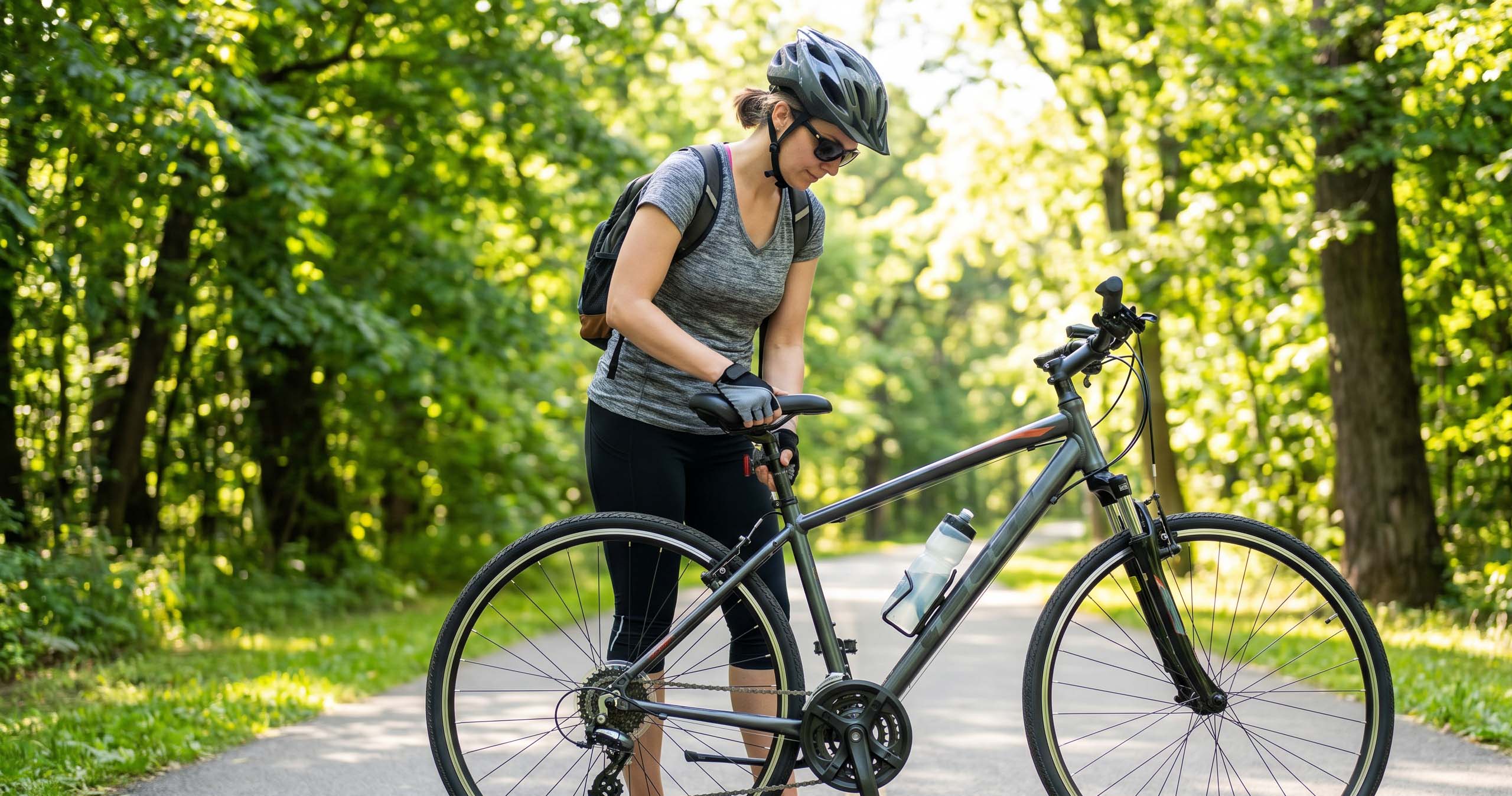
Cycling is one of the enjoyable ways to add movement to daily life. This article brings together general information and practical tips for...
Short Stretch Breaks for Desk Workers
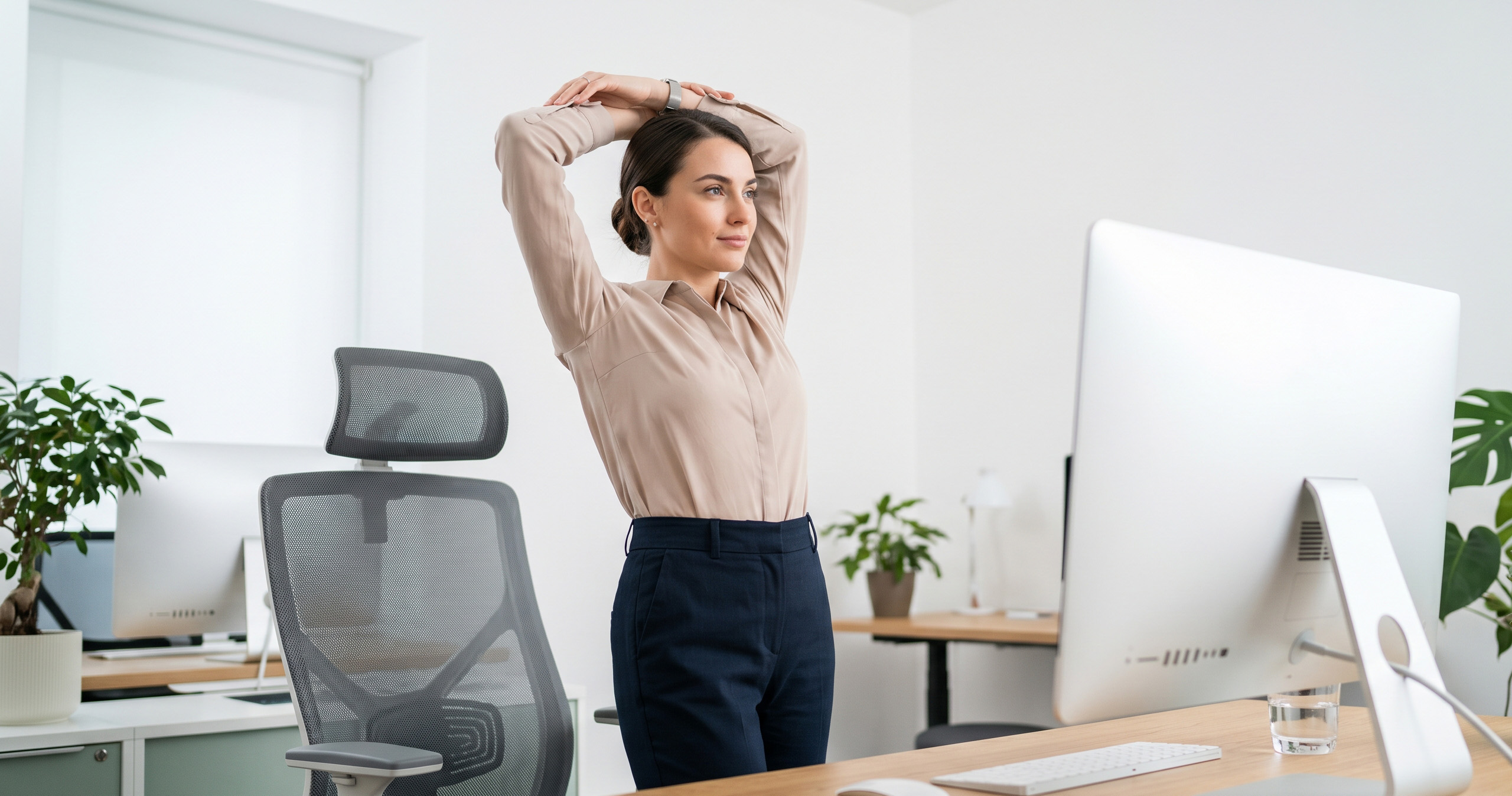
Long periods of sitting can become part of the structure of the day. This article brings together general information about short stretch br...