

The Place of Routine Check-ups in Daily Life
Preventive health is an approach that prioritises acting before a problem appears rather than after. Routine health check-ups are a practical reflection of this approach. This article brings together the general framework of a check-up and the value of a regular follow-up habit.
What is a check-up and why does it matter?
A check-up is a periodic monitoring process, determined together with a doctor, that takes into account age, sex, general health, and family history. It offers information about the person's overall status and also serves as an opportunity to review current habits.
The value of consistency
A one-off check-up offers a snapshot of that moment. Regular follow-up, on the other hand, allows certain measurements to be observed over time. Such a trend helps timely decisions and, when needed, allows lifestyle adjustments to be introduced at an earlier stage.
Keeping individual differences in mind
A check-up package is not expected to suit everyone. A chronic condition, family history, or working conditions are important factors that shape the content of the follow-up. For this reason, a check-up should be thought of as a personalised plan shaped by a doctor's guidance rather than a standard list.
Practical notes for the day of the check
Medications currently used, known allergies, recent complaints, and previous test results make your meeting with the doctor more productive. Even a simple note or phone list can make a meaningful difference here.
Continuous follow-up outside check-ups
Some measurements, such as blood pressure and weight, can also be tracked at home.
Vaccination schedules should be shared with a doctor in every stage of life (childhood, adulthood, later years).
Eye and dental check-ups are an integral part of general health.
Daily habits such as sleep, nutrition, and movement also play an important role in how check-up findings are evaluated.
Fitting a follow-up habit into your life
A "health appointment" remembered once a year becomes harder to forget when it works as a calendar habit. Anchoring this appointment around a significant date (such as a birthday or work anniversary) can make the process easier for some people.
Professional guidance matters
The framework described in this article is not a substitute for a personalised check-up plan. It is important to consult your doctor about the right frequency and content of checks for you. This article is intended for general information and is not a substitute for individual medical advice.
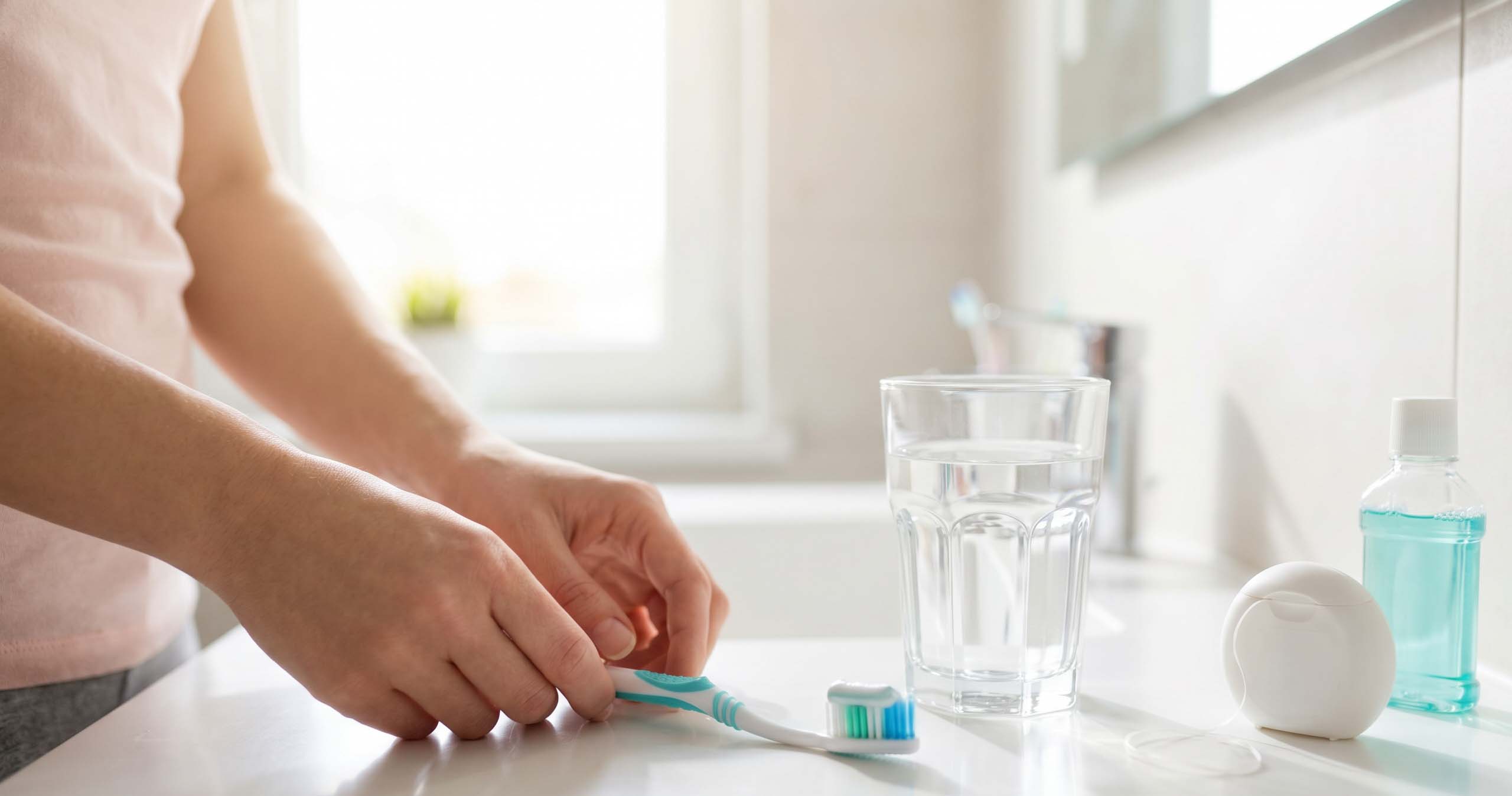
The Place of Dental Hygiene in Daily Life
Dental hygiene is a habit that takes only a few minutes a day but has a lasting effect over time. This article brings together general infor...

Habits That Support Immunity During Seasonal Transitions
Seasonal transitions are periods when daily routines can be open to small adjustments. This article brings together general information abou...
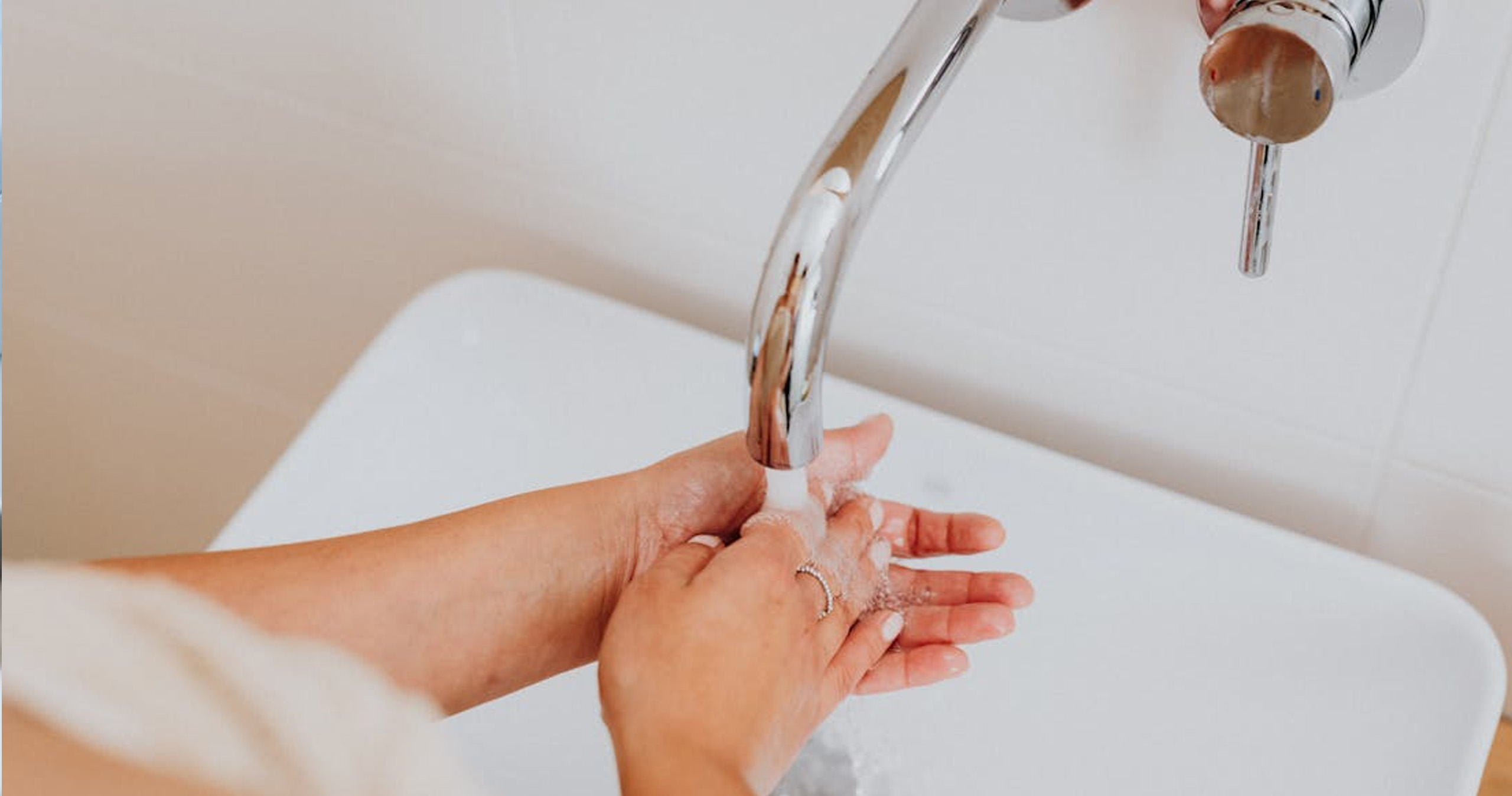
Everyday Hand Hygiene: Practical Habits
One of the simplest yet most effective habits in preventive health: proper hand hygiene. Practical suggestions that fit easily into daily li...