
Everyday Hand Hygiene: Practical Habits
Hand hygiene is one of the simplest but most widely beneficial habits in preventive health. Though it only takes a few seconds of care in many moments of the day, its effect spans a wide range. This article brings together simple suggestions that can easily be fitted into daily life.
The role of hand hygiene in daily life
Because hands come into contact with many surfaces throughout the day, they form one of the most important areas of personal hygiene. A correct handwashing habit that has become second nature also plays an important role in shared spaces.
How is hand washing done properly?
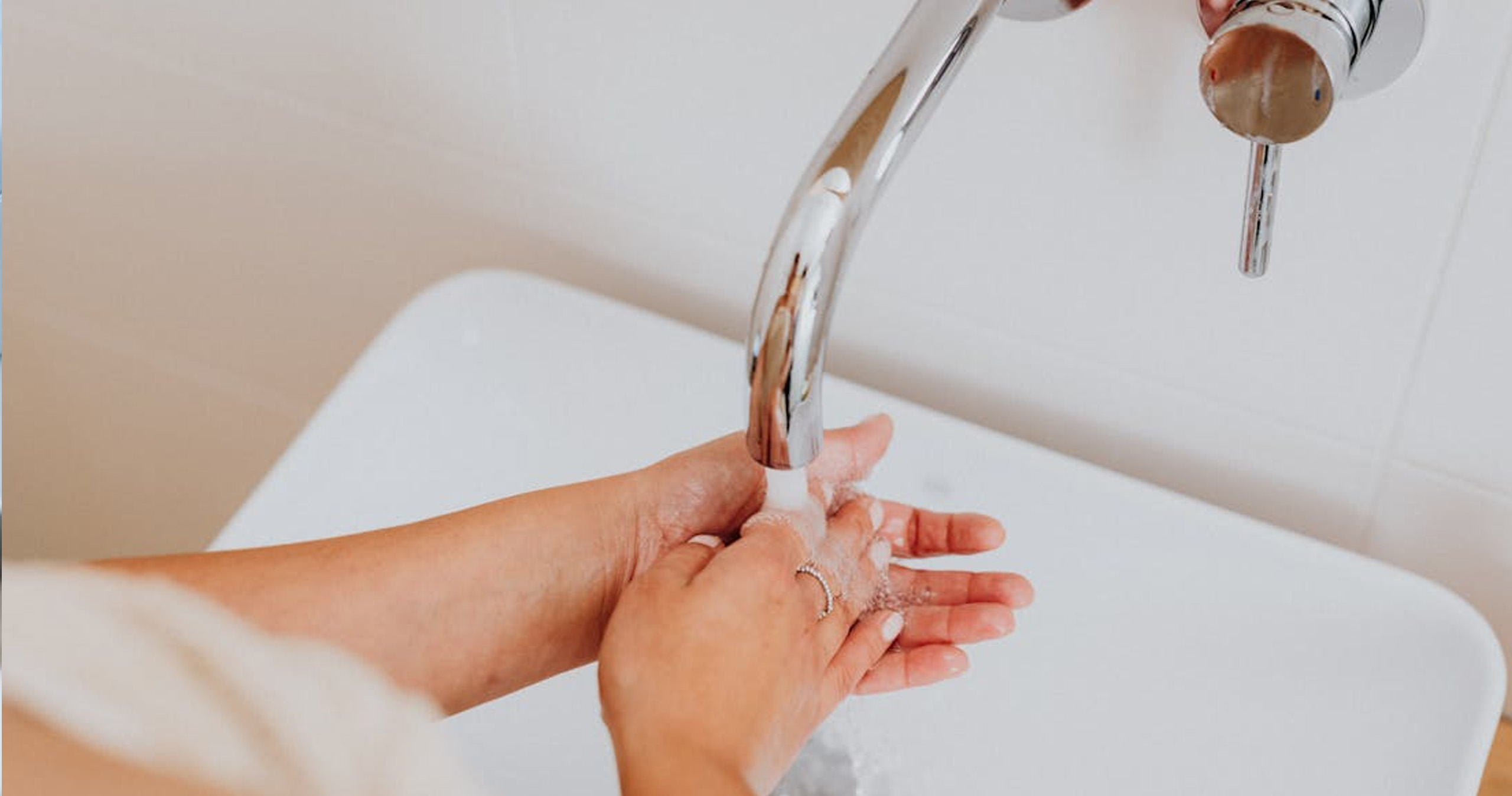
Wetting the hands under running water, using enough soap, and rubbing the palms, between the fingers, the backs of the hands, and the fingertips long enough (about 20 seconds) are widely shared recommendations. Drying the hands afterwards with a clean towel or single-use paper completes the process.
Moments that need particular attention
While preparing food, and before and after meals.
After using the toilet.
When arriving home from outside.
Before and after touching the nose, mouth, or eyes.
After contact with pets.
When water and soap are not available
When there is no visible dirt on the hands, alcohol-based hand sanitisers can be a practical alternative. It is important to make sure the hands are fully covered and to keep rubbing until the sanitiser dries. However, when visible dirt is present, soap and water should come first.
Keeping hands clean without harming the skin
Frequent handwashing can cause dryness in some people. Choosing soaps that retain moisture, drying the hands well after washing, and using a moisturiser when needed can help maintain the skin's barrier function.
Building hand hygiene with children
Placing soap and water at a height the child can reach makes the habit easier.
A fun song or a short count can turn the 20 seconds of rubbing into a game.
Washing together is effective for both observation and leading by example.
Positive reinforcement when the child does well helps the habit settle in.
Professional advice
If noticeable skin irritation develops from frequent contact with soap and water, or if there are chronic skin conditions or allergic reactions, it is important to consult a doctor. This article is intended for general information and is not a substitute for individual medical advice.
The Place of Dental Hygiene in Daily Life
Dental hygiene is a habit that takes only a few minutes a day but has a lasting effect over time. This article brings together general infor...

Habits That Support Immunity During Seasonal Transitions
Seasonal transitions are periods when daily routines can be open to small adjustments. This article brings together general information abou...

The Place of Routine Check-ups in Daily Life
Preventive health is about acting before a problem appears. A simple guide to the general framework of a regular check-up habit.