
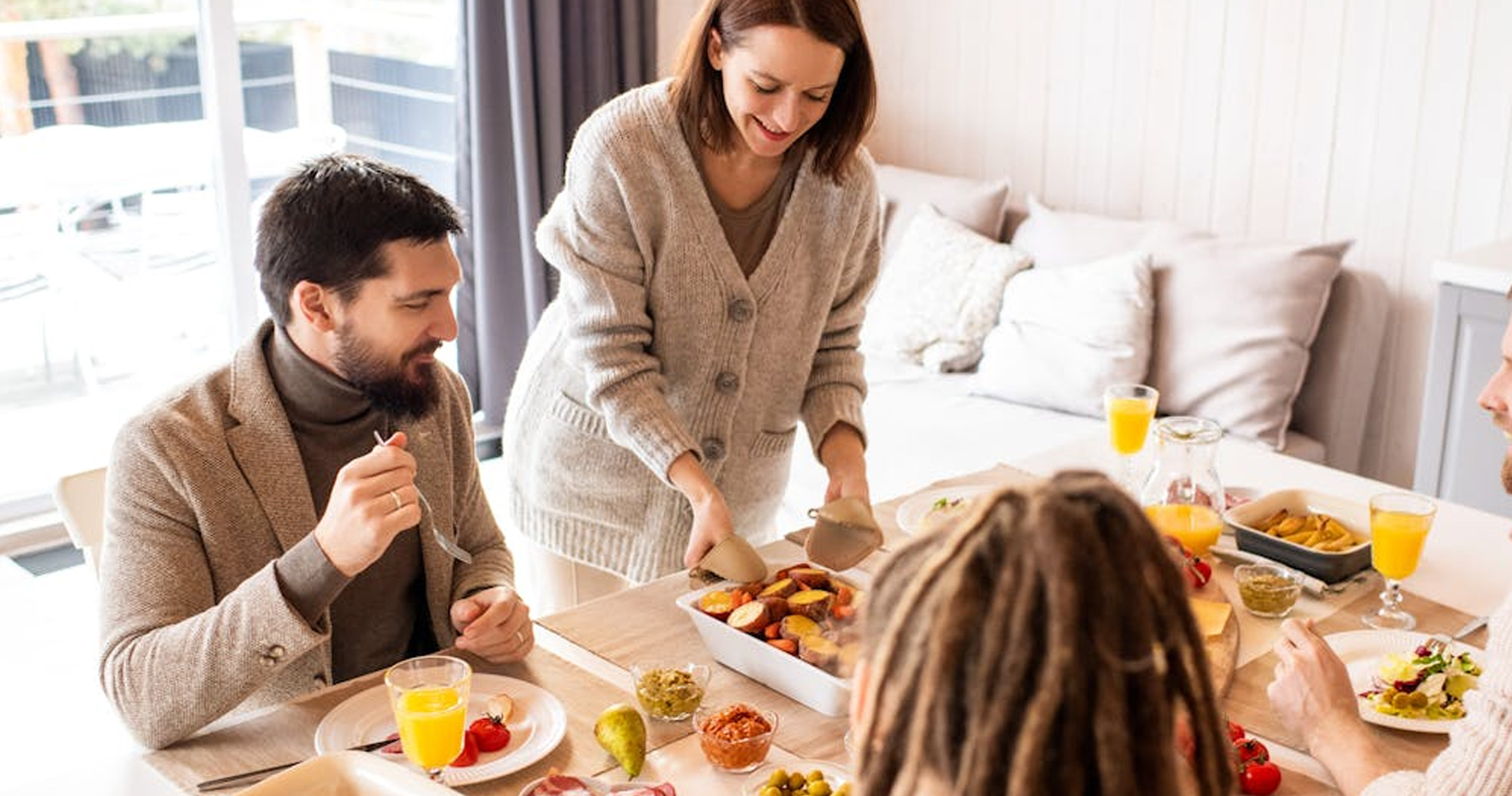
The Value of Making Family Meals a Routine
Family meals are about more than just nutrition; they are also about communication, shared routine, and a sense of belonging. Busy work schedules and different timetables can make this habit harder at times, but it can be rebuilt in small steps. This article offers simple ways to turn the family table into a routine.
Why regular family meals?
Time around the table is a natural space for children to share their day. Regular meals that bring the family together play a steady role in the development of eating habits, the continuity of everyday conversation, and the overall rhythm of the home.
Habits that make the table easier
Trying to make every meal perfect often makes it harder to keep the routine going. Simple dishes, a few core recipes repeated during the week, and shared preparation steps can turn meal time into something easier and an activity everyone can contribute to.
A simple weekly plan
A few minutes of light planning at the start of the week — a general idea of what will be eaten on which evening — can significantly shorten shopping and preparation time. Every detail of this plan does not need to be fixed; having a framework is often enough.
Involving children in preparation
Even young children can contribute to tasks such as setting the table, mixing a salad, or arranging a fruit plate. These small responsibilities spark interest in meals, support independence, and turn the table into a shared effort.
A culture of conversation at the table
Keeping phones off the table helps create a genuinely shared moment.
Open-ended questions that give everyone a turn — such as "What was your best moment today?" — make the table a safe space for children to share.
Not turning meal time into a moment for criticism or day-to-day problem-solving helps protect the shared atmosphere.
Keeping the routine flexible
Family meals do not have to happen at the same time every day. Some days breakfast, some days dinner, or weekend lunches can serve as the family meal. What matters is that these gatherings have a predictable place in the week.
Individual circumstances
For special dietary needs, allergies, or chronic conditions, it is advisable to seek guidance from a doctor or dietitian when planning meals. This article is intended for general information and is not a substitute for individual medical advice.
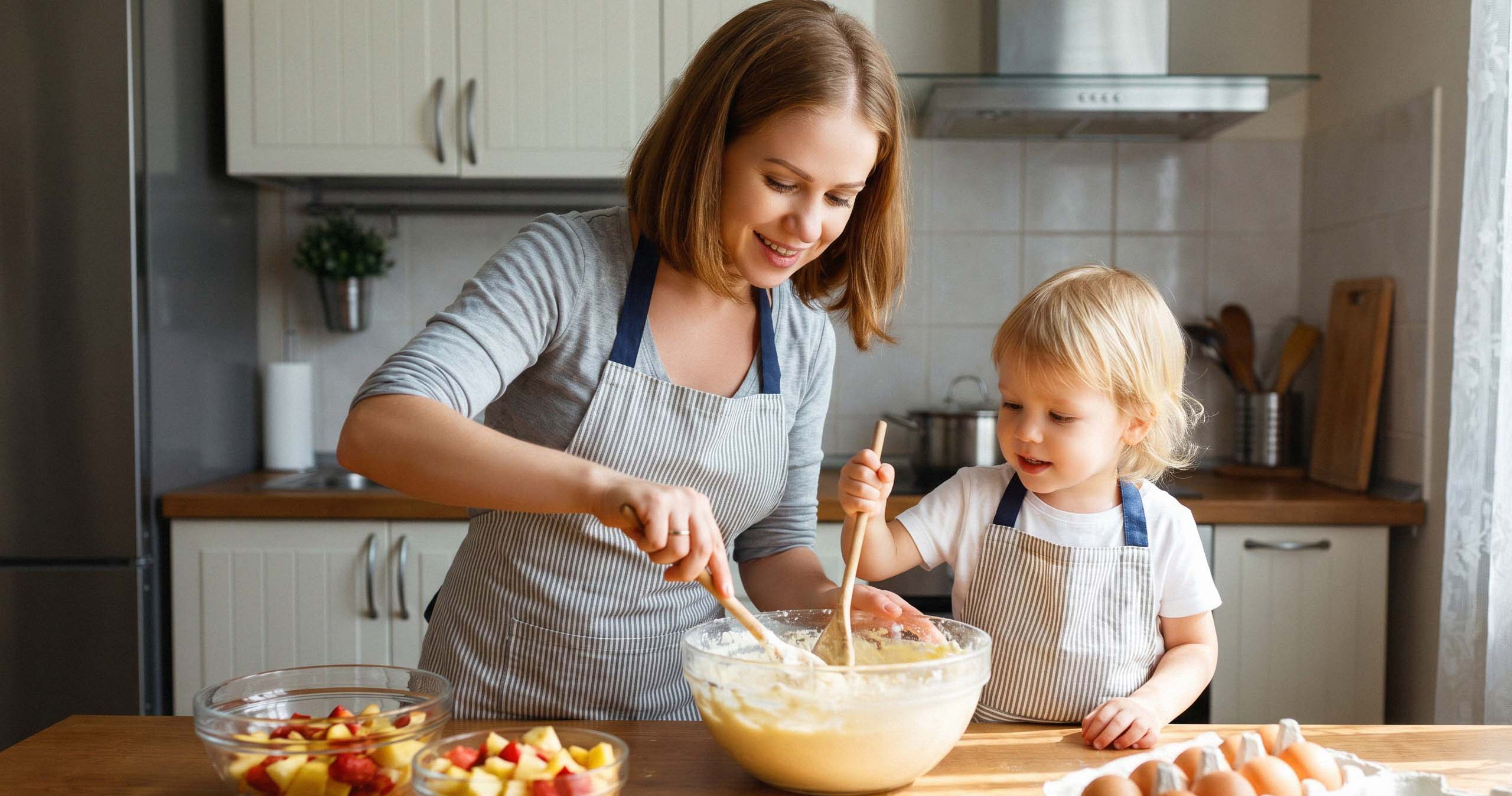
Simple Kitchen Activities to Do with Children
The kitchen is a delightful space where children learn through observation and participation. This article brings together general informati...

Small Habits That Support Open Family Communication
Open communication is shaped gradually within the daily rhythm of a family. This article brings together general information on small habits...

Healthy Screen Habits for Children
Screens are here to stay in children's lives; what matters is healthy limits and quality content. Simple, applicable suggestions for familie...