
How Outdoor Play Supports Children's Development
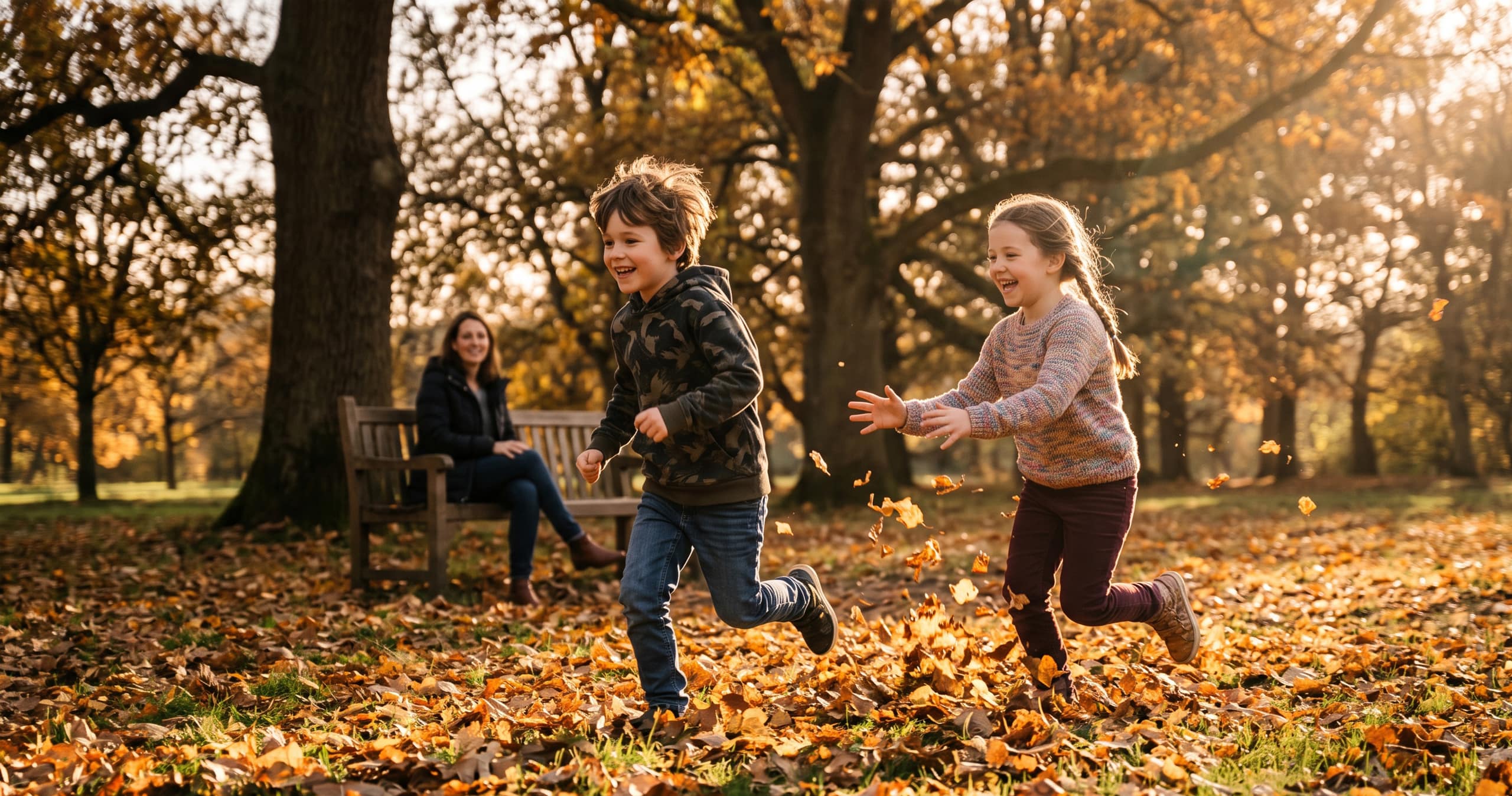
Children running in a park, playing hide-and-seek among the leaves or building new shapes in a sandpit are moving through a wide space of development through play. Outdoor play offers experiences full of movement, discovery and friendship. In this article we look at how playing outdoors supports child development.
Physical development
Running, jumping, climbing and playing ball develop muscle strength, balance and coordination together. Open spaces give children the chance to make wide and varied movements that are not possible indoors. Time spent in daylight can also support energy levels and sleep patterns.
Social and emotional development
Group games teach waiting for a turn, sharing, setting rules and making decisions together. During play, children try out different roles and discover ways to express their feelings. Resolving small disagreements among themselves also helps build social skills.
Curiosity and creativity
The colour of a leaf, the path of an insect or a puddle after the rain is a new world to explore for children. Games built with natural materials feed the imagination and strengthen a child's ability to observe their surroundings.
Practical tips for families
Outdoor playtime can be planned every day, even briefly on weekdays.
Layered clothing suited to the season that makes movement easy is a good choice.
A parent accompanying from a safe distance, rather than directing the game, supports the child's self-confidence.
Weekend family walks and park visits turn outdoor time into a shared habit for the whole family.
Safety and expert advice
Choosing age-appropriate play areas, drinking water during play and dressing for the weather make outdoor play safer. If you have questions about your child's motor development, balance or social relationships, please consult a paediatrician. This article is for general information.
A Steady Daily Routine for Children During the School Term
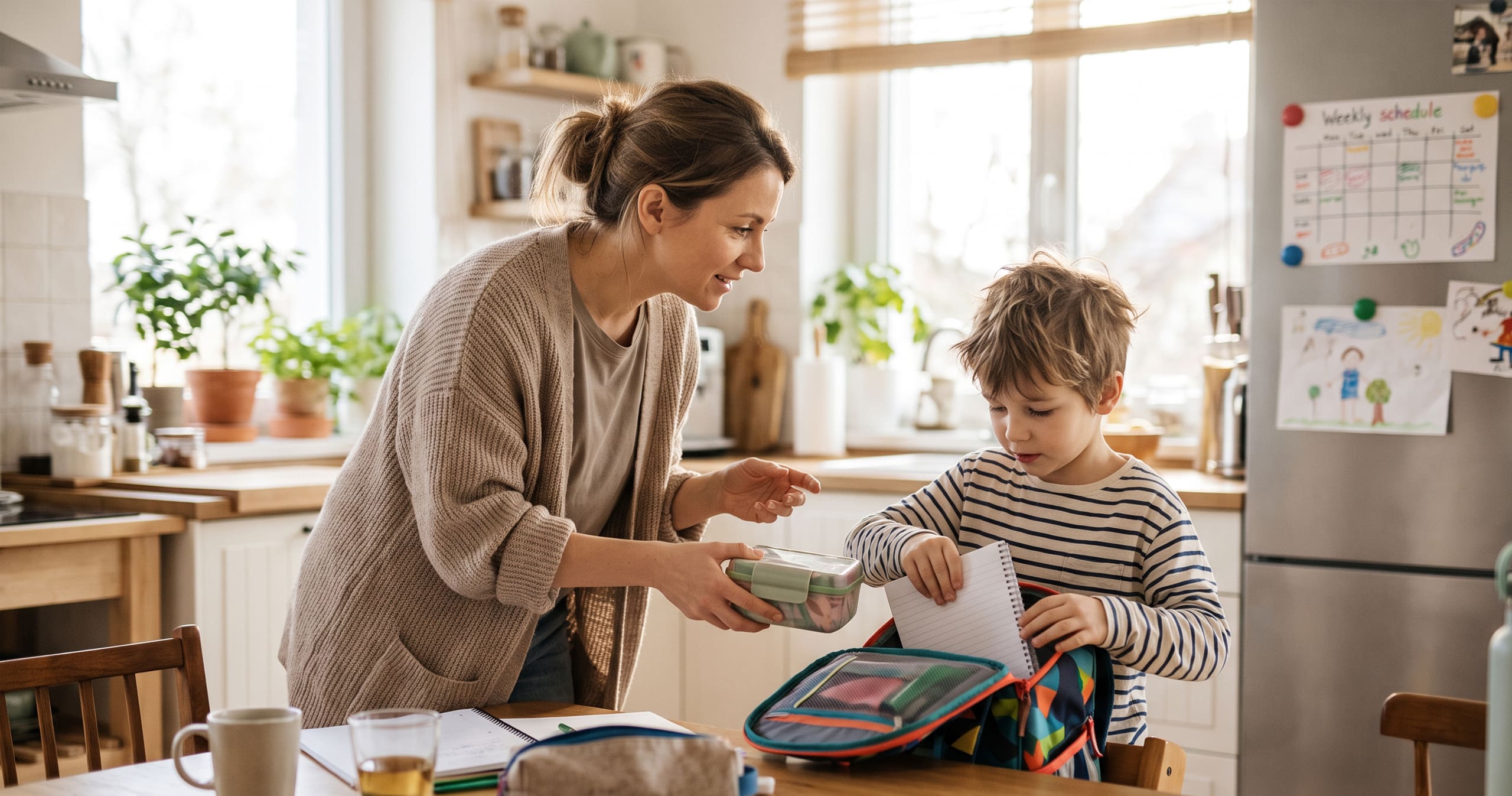
During the school term, a steady flow between sleep, meals, homework and play helps children start the day better prepared. This article off...
Simple Kitchen Activities to Do with Children
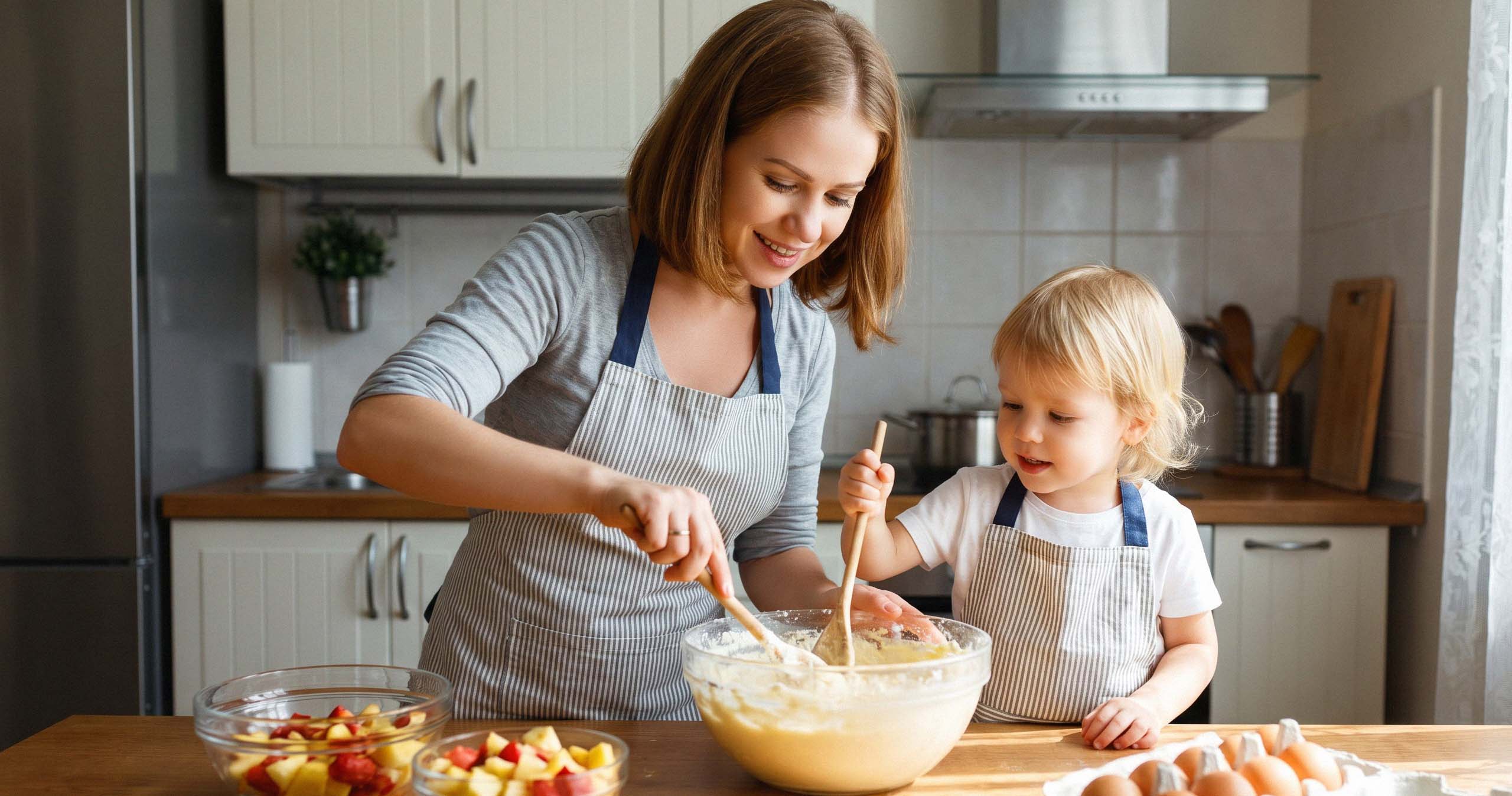
The kitchen is a delightful space where children learn through observation and participation. This article brings together general informati...
Small Habits That Support Open Family Communication
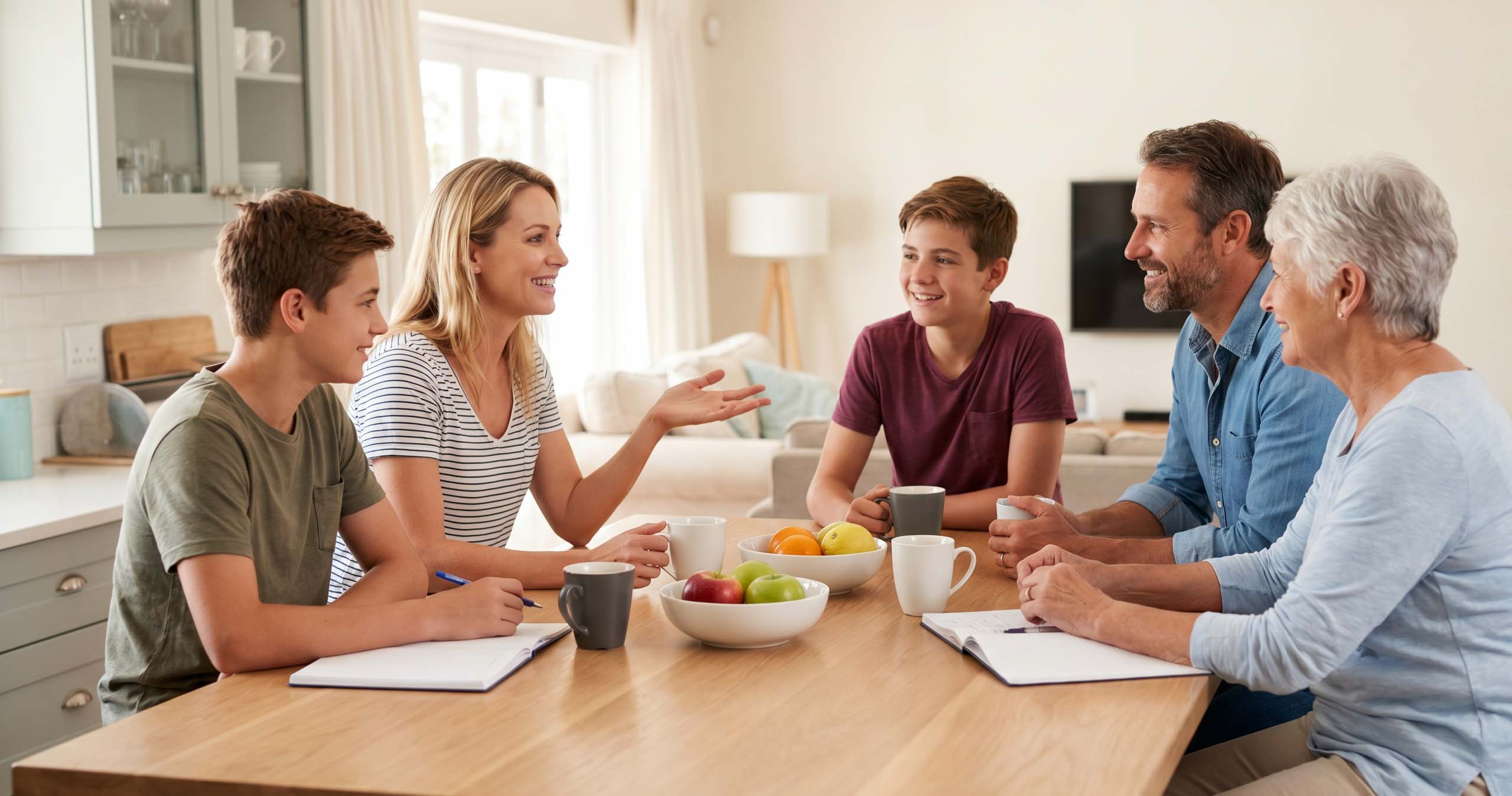
Open communication is shaped gradually within the daily rhythm of a family. This article brings together general information on small habits...